
In this honest review, you can appreciate that is Etsy
In this honest review you will observe that Etsy is one of the leading global ecommerce marketplaces. It competes with other heavyweights such as Amazon and eBay in terms of sales and global reach of according to date.
Also, Etsy connects buyers and sellers in the handmade craft item category—89.9 million active buyers and 7.47 million active sellers, to be precise, although you can decide option.
However, this article looks at selling on Etsy reviews, as well as the pros and cons of Etsy for sellers. It will also cover some alternative providers, so you can make a better decision as to whether or not to sell on Etsy of according to its needs.
Etsy, a marketplace for handmade crafts, vintage items, and niche goods, offers commissions on recommended products. Affiliates get access to promotional banner images, the affiliate newsletter, and the Etsy blog.
Affiliate program details:
Commission: 4% on average, varying by product category.
Getting paid: Monthly.
Payment method: BACS (bank transfer), international wire transfer, or ACH.
Cookie duration: 30 days.
Is Etsy Best Marketplace For Crafts And Others?
In 2025, Etsy, remains a strong marketplace for crafts, vintage, and unique items, offering a large audience and easy setup, but rising fees, intense competition, and visibility struggles challenge sellers; it’s great for hobbyists or new sellers needing an audience, but those seeking long-term brand control and higher profits might explore alternatives like Shopify or Amazon Handmade, balancing Etsy’s built-in traffic with platform independence.
Why Etsy is Still Good
Pros:
1- Built-in Audience: Millions of buyers actively look for handmade, vintage, and unique goods.
2- Ease of Use: Simple setup for beginners to list products without needing a complex website.
3- Niche Focus: Caters to specific interests like personalized gifts, eco-friendly items, and digital products.
4- Marketing Tools: Offers internal ads, discounts, and social media integrations to help promote shops. Challenges in 2025
Cons:
1- Fees & Costs: Transaction, payment processing, and mandatory Offsite Ads cut into profits.
2- High Competition: Saturation means new sellers struggle to get seen without advanced strategies.
3- Low Profit Margins: Increased fees and competition can reduce overall earnings.
4- Brand Control: Less control over customer data and brand experience compared to your own site.
Is Etsy A Trustworthy Website?
Provided you verify that you’re purchasing items from a legitimate seller and not a scammer, there are no cons to buying on Etsy that are different from any other marketplace. Generally speaking, Etsy is a trustworthy platform that can help you find unique items.
What Is The Downside Of Etsy?
The main downsides of Etsy involve high competition and saturation, making it hard to stand out; numerous fees (listing, transaction, payment processing, ads) that eat into profits; limited branding compared to your own site; and platform dependency, meaning you’re subject to Etsy’s changing policies and search algorithms, with risks of account suspension and buyer-favored dispute resolution.
For Sellers:
1- Intense Competition & Saturation: Millions of sellers offer similar handmade, vintage, or craft items, making visibility and sales tough.
2- Rising Fees: Costs add up with listing fees, transaction fees (now 6.5%), payment processing fees, and mandatory/optional ad fees, potentially taking a large chunk of revenue.
3- Limited Branding: You’re restricted to Etsy’s template, making it harder to build a unique brand identity than on your own site (like Shopify).
4- Platform Control: Etsy controls search, policies, and customer service, potentially leading to algorithm changes that hurt visibility or buyer-biased disputes.
5- Account Risks: Unexpected account suspensions can happen, disrupting your business.
6- “Mass-Produced” Issue: The influx of non-handmade or dropshipped items dilutes the “craft” market.
Buyers:
1- Scams/Non-Handmade Items: While rare if you’re careful, you might encounter scammers or sellers misrepresenting items as handmade.
2- Inconsistent Quality/Service: Quality and customer experience vary greatly between individual sellers.
3- Boycotts: Occasional boycotts occur due to controversial items, impacting some sellers even if they’re not involved.
Solutions/Mitigations:
1- Build your own website (Shopify) for full control.
2- Focus heavily on Etsy SEO and social media marketing.
3- Diversify sales across multiple platforms (Amazon Handmade, own site).
How Much Does Etsy Take From A $100 Sale?
For a $100 sale on Etsy (in the US, without ads), you’re looking at around $10-$12 in fees, primarily the 6.5% transaction fee on the total (item + shipping) and a payment processing fee (around 3% + $0.25), plus a small $0.20 listing fee. The exact amount varies by location and services used (like Etsy Ads, which adds significant cost).
Here’s a breakdown of the typical fees for a $100 sale (e.g., $90 item + $10 shipping):
1- Transaction Fee: 6.5% of $100 = $6.50 (applied to item price + shipping/gift wrap).
2- Payment Processing Fee (US): Around 3% + $0.25, so roughly $3.25 – $3.50 for a $100 sale.
3- Listing Fee: $0.20 per item listed (charged when it sells).
Total for a $100 sale (approx): $9.95 – $10.20 (plus sales tax handling).
Key Factors That Increase Fees:
1- Offsite Ads: If your sale comes from Etsy’s mandatory ads (for high earners), you pay an extra 12-15% fee on that sale, significantly increasing your total.
2- International Sales: Payment processing fees differ by country.
Etsy Ads: Running your own ads adds to costs.
What Is The Safest Way To Buy On Etsy?
1- Tips for Buyers: Staying Safe
2- Research the Seller. …
3- Review Your Credit Card Statement. …
4- Purchase Protection Program. …
5- Use Secure Payment Methods. …
6- Read Product Descriptions Carefully. …
7- Communicate With the Seller. …
8- Check for Return Policies. …
9- Report Suspicious Emails.
Is My Credit Card Safe On Etsy?
Yes, Etsy is generally very safe for credit card use because it uses secure, encrypted payment processing (TLS/SSL) through its own platform, Etsy Payments, meaning sellers never see your actual credit card details, only tokens; they receive order info and money from Etsy, not your card number, and you’re protected by Etsy Purchase Protection if issues arise.
Why Are So Many Sellers Leaving Etsy?
Many sellers are leaving Etsy due to increased fees, overwhelming competition from mass-produced goods (making it feel like Amazon), algorithm changes that hurt visibility, forced off-site ads, account suspensions, and a perceived shift by Etsy from supporting small artisans to becoming a mainstream giant, leading sellers to seek control by building their own sites.
Key reasons for sellers leaving:
1- Increased Costs & Fees: Listing fees, transaction fees (increased to 6.5%), payment processing fees, and forced ad spending eat into profits, sometimes totaling 20% of revenue.
2- Competition & Saturation: The platform is flooded with resellers and dropshippers selling mass-produced items, drowning out unique handmade goods and creating an “Amazon-like” experience.
3- Algorithm & Visibility Issues: Unpredictable algorithm changes and AI spam bury legitimate sellers’ listings, while forced off-site ads siphon sales.
4- Lack of Control & Support: Sellers face sudden account suspensions, feel micromanaged by programs, and lack ownership over customer data, making them vulnerable to platform whims.
5- Loss of Community & Niche: The original community feel is gone, replaced by a focus on scale, leading many original artisans to feel abandoned and unappreciated.
6- Platform Shift: Etsy is perceived as prioritizing profits over its core community, pushing sellers to abandon it for platforms where they can own their customer relationships and build sustainable brands (like Shopify).
What sellers are doing instead:
1- Building their own e-commerce sites (e.g., on Shopify).
2- Focusing on social media to build direct customer relationships.
3- Exploring alternative marketplaces.
Etsy Refund Me If I Get Scammed?
Yes, Etsy will refund money if you are scammed on purchases made through its platform via the Etsy Purchase Protection program, which covers items not received or not as described. For payments made outside of Etsy, such as directly via a bank or PayPal, you may be able to get a refund through your card provider or PayPal’s own dispute resolution process.
Etsy Purchase Protection
1- If you paid using Etsy Payments, your purchase is protected and you are eligible for a refund if you are scammed.
2- You must open a case on the Etsy website to initiate the process.
3- This protection applies when you don’t receive an item or receive something that is significantly not as described.
Other payment methods
1- Credit/Debit card or PayPal: If you paid using a method other than Etsy Payments, you may be able to get a refund through the provider’s chargeback or dispute process. For example, your credit card company can initiate a chargeback if you paid by card, notes Citizens Advice.
2- Payments off-platform: Etsy cannot help with scams that occur when payments are made directly to the seller outside of the Etsy platform, such as through a payment link or a separate website.
Why Are People Boycotting Etsy Today?
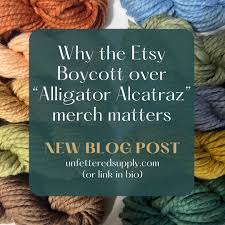
What are they thinking over at Etsy?
People are boycotting Etsy due to recent controversies, primarily its decision to allow merchandise celebrating the controversial “Alligator Alcatraz” migrant detention center, violating its own hate speech policies, alongside ongoing issues like high fees, payment holds, lack of seller protection from scammers/resellers, and perceived poor management of the “Star Seller program”. These actions lead sellers and buyers to protest Etsy’s shift away from its original focus on small artisans and unique goods, feeling the platform prioritizes profit over its community.
Key Reasons for Boycotts
1- Alligator Alcatraz Merch (July 2025): The biggest recent boycott stemmed from Etsy allowing T-shirts, mugs, and stickers promoting a Florida detention center for migrants, which users found offensive and a violation of Etsy’s policy against discriminatory content based on immigration status.
2- Increased Fees & Policies: Sellers have long protested fee hikes, changes to advertising, and the micromanagement of the “Star Seller” program, which can negatively impact shop visibility and earnings.
3- Resellers & Scams: A recurring issue is Etsy’s failure to adequately address mass-produced items being sold as handmade and the prevalence of scam artists stealing photos of real vendors’ work, eroding trust.
4- Payment Holds: In 2023, sellers organized protests when Etsy suddenly placed significant holds (75%) on their earnings without clear explanation, affecting cash flow.
5- Platform Values: Many feel Etsy has strayed from its mission to support small creators, becoming more like a mainstream marketplace with policies that harm individual sellers.
What’s Happening
1- Seller Actions: Sellers are closing shops, pausing listings (using “away” signs), and advocating for better terms on social media.
2- Buyer Actions: Buyers are refusing to purchase items and calling for boycotts to pressure the company.
3- Goals: Protests aim to force Etsy to enforce its policies, listen to seller concerns, and return to its core values.
How To Tell If An Etsy Seller Is Real?
How To Tell If An Etsy Seller Is Legit. Always do your research and look through the Seller’s profile, reviews, and Etsy history, if they have stellar customer feedback, a solid return policy, and quick shipping times then it is most likely a safe bet.
Is Etsy Better Than Amazon?
Neither Etsy nor Amazon is universally “better”; the best choice depends on your business goals, products, and audience, with Etsy excels for handmade, vintage, and niche items with a focus on branding and community, while Amazon is superior for mass-market, high-volume sales, and leveraging its vast customer base for broad reach. Etsy offers easier setup and brand customization for unique goods, while Amazon provides powerful fulfillment (FBA) and massive scale for established businesses, though both have different fee structures and audience expectations.
Why Is Etsy Asking For My Social Security Number?
Etsy asks for your Social Security Number (SSN) for identity verification, tax compliance (like issuing 1099-K forms), and to prevent fraud, which is standard for connecting bank accounts for payouts, especially as you reach certain income thresholds or under new laws like the INFORM Act, though be careful to only provide it directly to Etsy in your account settings, not through suspicious messages.
Does Etsy Have A Bad Reputation?
Etsy is a legitimate and generally safe online marketplace for handmade and vintage items. With around 96 million active buyers across Etsy marketplaces, it’s a legitimate company that is mostly safe to order from. But, like any online platform, it’s not immune to scams.
Is It Safe To Link Your Bank Account To Etsy?
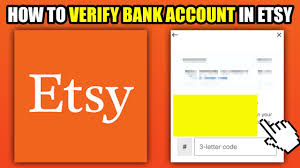
Yes, it is generally safe to give your bank information to Etsy for official purposes like receiving payments, as the platform uses security measures to protect your data. However, you should be wary of any unsolicited messages asking for your bank details, as these are likely scams, and it’s best to only provide information through the official Etsy website.
For official purposes
1- To get paid: When you set up an Etsy shop, you are required to provide your bank account and routing numbers so Etsy can deposit your earnings.
2- Security measures: Etsy uses secure payment platforms, like the proprietary Etsy Payments, which utilize encryption (like Transport Layer Security) to protect your data.
3- Verification methods: You can verify your bank account through an instant process via Plaid or by using a manual method that involves test deposits to confirm your account details.
4- No access for sellers: Sellers cannot see your bank information. They only see a summary of your payments and sales, not your private financial details.
How to avoid scams
1- Beware of unsolicited messages: Scammers may send fake messages that look like they’re from Etsy, asking you to verify your bank account or click on a link.
2- Verify the sender: Genuine messages from Etsy will appear in the “From Etsy” folder in your message inbox, not in your regular inbox.
3- Use the official website: Only enter your information on the official Etsy website when you are actively setting up your account, not in response to a message.
4- Don’t share passwords: Real Etsy messages will not ask for your bank or Etsy password.
What Is The Difference Between Etsy And eBay?
Etsy focuses on handmade, vintage (20+ years), and craft supplies with a niche audience, while eBay offers a vast, general marketplace for new, used, and unique items, including electronics and collectibles, with both auction and fixed-price formats. Etsy emphasizes community, artisan stories, and simple fixed-price selling, whereas eBay provides more control, broader reach (auctions/fixed-price), and complex tools for large-scale selling, appealing to a wider, transaction-focused customer base.
Etsy
1- Focus: Handmade goods, vintage items (20+ years old), craft supplies, unique digital products, and custom creations.
2- Audience: Niche, focused on arts, crafts, and artisan-made items.
3- Selling Model: Primarily fixed-price listings, emphasizing creator stories.
4- Customization: Simpler shop customization (banner, profile).
Fees: Listing fee ($0.20) + transaction fee (6.5%) + payment processing.
5- Best For: Creative entrepreneurs, small businesses selling unique, handcrafted products.
eBay
1- Focus: Anything legal, from new & used goods (electronics, clothing) to collectibles and vehicles.
2- Audience: Broad, general market looking for a wide variety of products, often through auctions or deals.
3- Selling Model: Flexible (auctions, buy-it-now/fixed-price).
4- Customization: More advanced customization for eBay Stores (HTML, categories).
5- Fees: Insertion fees (with free listings) + final value fees + optional promotions.
6- Best For: Sellers wanting broad exposure, selling new/used items, scaling businesses, and using auctions.
Key Differences at a Glance
1- Product Scope: Etsy = Niche/Handmade/Vintage; eBay = Everything.
2- Selling Style: Etsy = Community/Creator-focused; eBay = Transaction/Efficiency-focused.
3- Sales Format: Etsy = Mostly Fixed-Price; eBay = Auctions & Fixed-Price.
4- Control: eBay offers more advanced tools and customization than Etsy’s simpler setup.
How can I spot fake items on Etsy?
Here are a few ways to spot a counterfeit goods scam on Etsy:
1- The seller doesn’t include clear pictures of the item’s logo and tags.
2- There are subtle differences between the logo on the product and the official brand.
3- The product is being sold for a suspiciously low price.
4- The seller has few positive reviews.
Pros And Cons Of Etsy
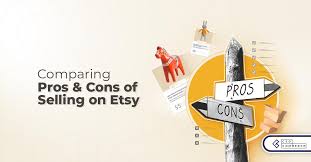
Etsy’s pros include easy setup, a built-in customer base interested in unique and handmade goods, and handling of taxes and secure payment processing. Its cons are the high fees from multiple sources, intense competition, and a lack of control over your brand and customer data. For sellers, the main trade-off is gaining immediate access to an audience versus maintaining brand identity and control.
Pros of Etsy
1- Easy to start: The platform is beginner-friendly with a simple setup process and no initial costs beyond listing fees.
2- Built-in audience: Etsy attracts buyers specifically looking for handmade, vintage, and custom items, which can be a significant advantage for new sellers.
3- Marketing and analytics: The platform provides built-in analytics and offers marketing tools like offsite ads, though this comes with a fee.
4- Handles administrative tasks: Etsy manages secure payment processing and handles sales tax, which can be complex for sellers.
5- Global reach: It provides access to a worldwide customer base for your products.
Cons of Etsy
1- High and multiple fees: Etsy charges various fees, including listing fees, transaction fees, payment processing fees, and advertising fees, which can significantly impact profit margins.
2- Intense competition: With millions of sellers on the platform, it can be difficult to stand out and get discovered.
3- Limited brand identity: Buyers often identify with “Etsy” rather than individual shops, making it hard to build a strong, independent brand.
4- Lack of customer data ownership: You don’t own customer data or have full control over the customer experience, as you are on a shared marketplace platform.
5- Policy and support issues: Some sellers report issues with chargebacks and a lack of seller support, as well as concerns about unexpected shop suspensions.
6- Not ideal for scaling: Due to high competition and fees, it may not be the best platform for long-term growth and scaling a large business.
What’s Etsy Platform?
Etsy is a global online marketplace focused on unique, creative goods, connecting independent sellers with buyers looking for handmade items, vintage treasures (20+ years old), custom creations, and craft supplies, unlike mass-market sites, it champions small businesses, artisans, and a direct connection to creators, featuring everything from jewelry and home decor to art and party supplies.
Key Aspects of the Etsy Platform:
1- Niche Focus: Specializes in items you can’t easily find elsewhere, emphasizing individuality and craft.
2- Seller-Centric: Provides a platform for individuals and small businesses (often women-led) to build their own shops and brands.
3- Product Categories: Includes jewelry, clothing, home goods, art, toys, vintage furniture, digital downloads, and supplies for crafting.
4- Community: Fosters a connection between buyers and makers, focusing on human touch in commerce.
5- Business Tools: Offers sellers marketing, shipping, and payment processing tools, though fees apply.
6- Global Reach: Allows sellers to sell worldwide, reaching millions of potential customers.
Who Uses Etsy?

1- Sellers: Artisans, crafters, vintage sellers, and small businesses turning hobbies into income.
2- Buyers: People seeking unique gifts, personalized items, or supporting small creators.
In essence, Etsy is a vibrant digital bazaar for handmade, unique, and vintage goods, distinct from large retailers by its focus on creativity and individual makers.
Is It Safe To Purchase From Etsy?
Etsy is a legitimate and generally safe online marketplace for handmade and vintage items. With around 96 million active buyers across Etsy marketplaces, it’s a legitimate company that is mostly safe to order from. But, like any online platform, it’s not immune to scams.
Is Etsy Good For Beginners?

Yes, Etsy is great for beginners because it offers a huge built-in audience, low startup costs (like $0.20 per listing), and a simple platform to start selling handmade or unique items without needing your own website. However, beginners must be prepared for fierce competition, rising fees, and the need to learn marketing and SEO to stand out in a crowded marketplace.
Pros for Beginners
1- Easy Setup: Simple to create a shop without web design skills, getting you selling quickly.
2- Massive Audience: Instant access to millions of buyers looking for unique goods.
3- Low Barrier to Entry: Very cheap to list items ($0.20), making it great for testing ideas.
4- Support Tools: Access to analytics and promotion tools to help grow your business.
Cons & Challenges for Beginners
1- High Competition: The large audience means lots of other sellers, requiring unique products and great photos to get noticed.
2- Fees: Listing, transaction (6.5%), and payment processing fees cut into profits, as noted by Wise.
3- Limited Control: You don’t own customer data or brand experience like you would with your own site.
Etsy Pricing
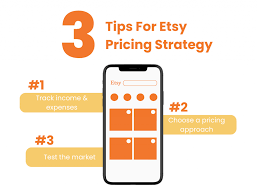
Etsy pricing involves several fees for sellers: a $0.20 listing fee (per item for 4 months), a 6.5% transaction fee on the total sale (item + shipping + gift wrap), and a payment processing fee (around 3% + $0.25 USD, varying by country) for Etsy Payments. Optional Offsite Ads cost 12% or 15%, depending on your shop’s annual revenue, and you also set your own item prices, including variations for different locations.
Seller Fees Explained
1- Listing Fee: $0.20 for each item you list, lasting for four months or until sold.
2- Transaction Fee: 6.5% commission on the total order amount (item price + shipping + gift wrapping).
3- Payment Processing Fee: Around 3% + $0.25 USD per transaction (e.g., for Etsy Payments), but this varies by country and payment method.
4- Offsite Ads Fee (Optional): 12% or 15% of the sale price for orders driven by Etsy’s ads, depending on your annual revenue.
How to Set Prices on Etsy
1- Set Base Prices: In your Shop Manager, go to Listings and edit an item.
2- Use Variations: In the “Inventory and pricing” section, you can toggle on “Domestic and global pricing”.
3- Customize for Locations: Under the Variations section, you can set different prices for items shipped within your country, to the US, or elsewhere.
Example Calculation (Simplified)
For a $30 item with $5 shipping:
1- Total Sale: $35
2- Transaction Fee (6.5%): $2.28 ($35 x 0.065).
3- Payment Processing Fee: ~3% + $0.25 (e.g., $1.05 + $0.25 = $1.30 for US).
4- Listing Fee: $0.20 (if newly listed).
Conclusion
Final Thoughts: Is a Good Etsy For You?
In conclusion, Etsy remains a valuable, user-friendly platform for accessing a huge audience for unique handmade goods, especially for new sellers seeking quick setup and built-in customers, but its saturated market, rising fees, and platform limitations push serious sellers towards diversifying with their own sites (like Shopify) for better brand control, profits, and long-term ownership, often using Etsy as a strong starting point or supplementary channel. Success hinges on differentiation through quality, strong SEO, and excellent service, with digital products offering low overhead, while long-term strategies focus on building independent brands.
Etsy is a double-edged sword: a fantastic launchpad and complementary channel for unique goods, but a challenging environment for building an independent, highly profitable brand long-term due to competition and platform reliance, pushing many successful sellers to create their own branded spaces.
If you want to chart a successful path in the world of affiliate marketing and if you are ready to learn how to make money with affiliate marketing, to promote products and build your online affiliate marketing business, sign up for your free account with Wealthy Affiliate now (no credit card required).
Get Started Now
This trusted platform gives you all the training, tools, and community support you need to move toward a $5,000/month income or $60,000 / year or more.
☞ CLICK HERE FOR MY #1 AWESOME NICHE. LEGIT WAYS TO MAKE MONEY ONLINE.
Join the Conversation.
A mode of information, if you want to learn how to achieve quality visitors to your website and build a list, I recommend you can join: My # 1 Awesome Niche for that you learn by working with affiliate marketing. It really takes time and effort, but it is an honest Program where you will teach you real online marketing. Join at link following:
☞ CLICK HERE FOR MY #1 AWESOME NICHE. LEGIT WAYS TO MAKE MONEY ONLINE.
Thanks so much for your interest.
A. Karell
Are You interested to Build A Solid Future from the comfort of your home?
My #1 Awesome Niche is absolutely the best resource for awesome Start In Online Business, with fast and unlimited cash, and you will learn the Strategic Planning
To Help You Build A Money-Making Affiliate System. Get a Free Starter now and You can build One Free Website.
Tired of Scams? Click Here To See My #1 Awesome Niche.
Your thoughts and questions matter. If you have any questions or comments about the Etsy feel free to let me know below, or need more help with building your online affiliate marketing business. Thanks for reading this important content on affiliate marketing. Your feedback helps everyone learn and grow.
